
Social Anxiety Treatment Guide
Social Anxiety Editorial Team | socialanxiety.co | Clinically reviewed content
Summary: Evidence-Based Treatment for Social Anxiety
social anxiety treatment refers to the multimodal clinical framework utilized to address the symptoms defined under DSM-5-TR 300.23 and ICD-11 6B04. The primary objective of an evidence-based social anxiety treatment protocol is the reduction of autonomic hyperarousal through individual or group Cognitive Behavioral Therapy and the targeted administration of SSRI pharmacotherapy to recalibrate amygdala hyperreactivity and facilitate neuroplastic inhibitory learning processes.
Introduction: From Symptom Management to Functional Restoration
The contemporary clinical model for social anxiety disorder treatment has shifted from symptom suppression to functional restoration — rebuilding the capacity for social engagement by modifying the neural and behavioral patterns that maintain the disorder. This requires multimodal intervention: psychological treatment addressing cognitive distortions and avoidance behavior, pharmacological support where indicated, and self-regulatory skill development targeting the autonomic nervous system’s contribution to the anxiety cycle.
Severity assessment is the necessary precondition for treatment planning. The Liebowitz Social Anxiety Scale provides validated quantification of fear and avoidance across social domains and should be completed before initiating any intervention: socialanxiety.co/social-anxiety-test-liebowitz/.
How Is Social Anxiety Disorder Clinically Treated?
The Evidence-Based Treatment Hierarchy
Both NICE Guidelines and APA clinical standards establish a clear treatment hierarchy for SAD [2][3].
First-line: Cognitive Behavioral Therapy. CBT — specifically individual or group-based therapy incorporating exposure techniques — is the primary recommended treatment for SAD across all major clinical guidelines. It is appropriate as a standalone intervention for mild-to-moderate presentations and as the psychological foundation of combined treatment for moderate-to-severe cases.
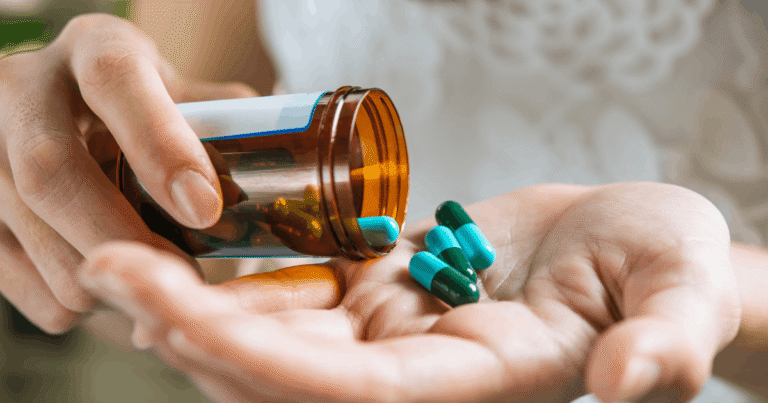
Second-line or adjunctive: Pharmacotherapy. SSRI or SNRI medication is recommended when CBT alone produces insufficient response, when severity is moderate-to-severe and represents a barrier to therapy engagement, or when comorbid conditions (major depression, panic disorder) require pharmacological management. Medication functions as a neurobiological scaffold that can lower the threshold for engaging in exposure-based therapeutic work — it is not a substitute for it.
Integrated combination treatment — CBT plus pharmacotherapy — produces superior outcomes to either modality alone in moderate-to-severe SAD, particularly for patients with significant functional impairment or comorbid depression [4].
The Clinical Diagnosis Requirement
No treatment pathway should be initiated without formal clinical diagnosis. A licensed mental health professional or physician must establish that DSM-5-TR criteria for SAD are met, rule out medical conditions that can mimic anxiety symptoms, identify comorbid psychiatric conditions that require integrated treatment, and assess severity to calibrate the appropriate intervention intensity. Self-identification or symptom checklists are screening tools — they do not constitute diagnosis.
Cognitive Behavioral Therapy: The Primary Treatment Modality
CBT for social anxiety disorder is not a monolithic protocol. It is a family of related interventions sharing a common theoretical foundation — the relationship between thoughts, behaviors, and physiological states — with specific components targeting each maintaining mechanism of SAD.
Exposure Therapy: The Core Mechanism
Graduated in-vivo exposure is the single most empirically supported component of CBT for SAD. Cochrane systematic reviews of randomized controlled trials consistently identify exposure-based protocols as producing the largest and most durable treatment effects [4]. The neurobiological mechanism is inhibitory learning: repeated engagement with feared social situations in the absence of predicted catastrophic outcomes creates new safety associations in the ventromedial prefrontal cortex that inhibit amygdala fear responding.
Exposure is most effective when conducted without safety behaviors, with sufficient duration for anxiety to decrease naturally, and with explicit expectancy violation recording — documenting the gap between what was feared and what actually occurred. This process strengthens safety memory consolidation.
Cognitive Restructuring
Systematic identification and evidential examination of catastrophic social predictions weakens automatic threat appraisals. The therapeutic goal is not positive thinking — it is accurate appraisal. Over repeated trials, this process strengthens prefrontal regulatory pathways that modulate amygdala reactivity. Cognitive restructuring is most effective when paired with behavioral exposure that provides real-world evidential tests of restructured beliefs.
Attentional Retraining
SAD is maintained partly by hypervigilant attentional bias toward social threat cues and inward self-monitoring during social interactions. Structured attentional retraining exercises redirect attentional resources toward external social engagement, interrupting the self-monitoring amplification loop and improving actual social performance. A detailed breakdown of CBT components and session structure is available at socialanxiety.co/social-anxiety-disorder-cbt-treatment/.
What Is the Best Medication for Social Anxiety According to Guidelines?
SSRIs: First-Line Pharmacotherapy
Selective serotonin reuptake inhibitors are the first-line pharmacological treatment for SAD per NICE, APA, and Canadian clinical guidelines [2][3]. The most extensively evidenced agents are sertraline (50–200 mg/day), paroxetine (20–50 mg/day), and escitalopram (10–20 mg/day). Fluvoxamine extended-release also has controlled trial support.
The clinical timeline requires patience: meaningful anxiolytic effects typically emerge at 4–6 weeks; maximum therapeutic benefit develops over 12 weeks. This timeline reflects the neuroplastic changes — receptor density modification, prefrontal-amygdala connectivity strengthening — that are the actual mechanism of improvement, not the acute serotonin increase.
Common early side effects — nausea, headache, initial anxiety increase, sleep disruption — typically resolve within two to four weeks. Sexual dysfunction and appetite changes may persist with chronic use. Discontinuation should always be tapered under physician guidance to avoid discontinuation syndrome.
SNRIs: Effective Alternative or Adjunct
Venlafaxine extended-release (75–225 mg/day) has robust controlled trial evidence for SAD and is recommended as an equivalent first-line alternative, particularly where comorbid depression or prominent somatic symptoms are present. Its dual serotonin and noradrenaline mechanism may address the broader symptom profile of SAD with significant somatic components.
Beta-Blockers: Situational Performance Anxiety
Propranolol (10–40 mg, taken 30–60 minutes before anticipated exposure) blocks peripheral beta-adrenergic receptors, eliminating the somatic symptoms of sympathetic activation — tachycardia, tremor, diaphoresis — without central cognitive effects. It is appropriate for circumscribed performance-type social anxiety (presentations, examinations, high-stakes meetings) but is not a treatment for generalized SAD and does not produce inhibitory learning.
Comprehensive pharmacological profiles, dosing protocols, and clinical considerations are detailed at socialanxiety.co/med-for-social-anxiety-disorder/.
What Happens If Social Anxiety Is Left Untreated?
Untreated SAD does not remain static. The disorder progresses through predictable downstream consequences that compound the original functional impairment.
Secondary depression is the most common and clinically significant sequela — approximately 70% of individuals with SAD develop at least one major depressive episode across their lifetime. The mechanism is behavioral: social avoidance progressively depletes positive social reinforcement, producing the isolation and reinforcement depletion that reliably precedes depressive onset [1].
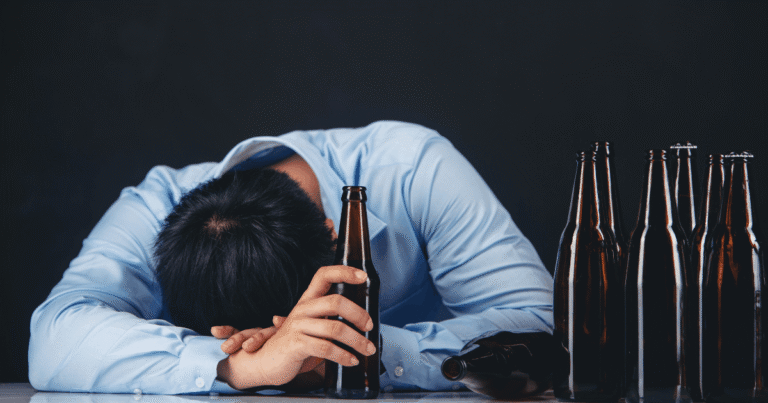
Secondary substance use disorders represent a distinct risk pathway. Alcohol’s acute GABA-A agonist effect produces genuine short-term anxiolysis. Repeated use as an anxiolytic establishes behavioral dependence and neurobiological tolerance, worsening baseline anxiety through chronic GABA downregulation and rebound activation. Population studies document elevated alcohol use disorder rates among individuals with untreated SAD.
Social atrophy — the progressive deterioration of social competence and social network through sustained avoidance — creates a secondary deficit that is not purely anxiety-based. Years of avoidance mean years of absent social practice. The functional impairment deepens not because the disorder worsens, but because the behavioral consequences accumulate: narrowed career trajectory, reduced relational network, missed developmental experiences that build social competence.
The clinical implication is clear: duration of untreated SAD predicts both worse treatment outcomes and greater comorbidity burden. Early intervention is functionally protective.
What Is the 3-3-3 Rule for Acute Social Anxiety?
The 3-3-3 rule is a structured sensory grounding technique for interrupting acute anxiety escalation in social settings through rapid attentional redirection.
Protocol:
- See: Identify and name 3 specific objects visible in the immediate environment
- Hear: Identify and name 3 distinct sounds currently audible
- Move: Deliberately move 3 body parts — rotate ankles, flex fingers, roll shoulders
The mechanism targets the self-focused attentional amplification loop characteristic of SAD: awareness of somatic symptoms increases anxiety, which intensifies symptoms, which intensifies awareness. Redirecting attentional resources to external sensory processing interrupts this loop and reduces interoceptive hypervigilance.
Clinical positioning: the 3-3-3 technique is acute symptom management, not treatment. It does not produce inhibitory learning or modify conditioned fear associations. It is appropriately used to reduce arousal to a manageable level before or during therapeutic exposure — not as a substitute for exposure-based work.
At-Home Treatment and Self-Help: Clinical Context
Self-directed and digital interventions occupy a defined position in the evidence-based treatment hierarchy — they are appropriate for mild presentations, as an adjunct to professional treatment, or as an accessible first step while awaiting clinical services.
Digital CBT programs — structured online or app-based CBT protocols — have demonstrated efficacy for mild-to-moderate SAD in randomized trials. They are not equivalent to therapist-delivered CBT for moderate-to-severe presentations but represent a clinically valid option where professional services are inaccessible.
Bibliotherapy — structured self-help using evidence-based workbooks — shows modest efficacy for mild SAD and can supplement professional treatment by extending between-session practice.
Lifestyle optimization represents the non-negotiable foundation of any treatment approach: sleep (seven to nine hours nightly supports amygdala regulation and prefrontal function); aerobic exercise (documented anxiolytic effects through BDNF upregulation and HPA axis modulation); and alcohol avoidance (alcohol use for social anxiety management should be directly addressed, as it prevents inhibitory learning and progressively worsens baseline anxiety).
The complete self-directed recovery protocol with implementation guidance is available at socialanxiety.co/how-to-overcome-social-anxiety/.
Can SAD Be Cured? Remission vs. Cure
The clinically accurate framing distinguishes between cure and remission. Inhibitory learning — the neurobiological mechanism underlying exposure-based treatment — does not erase original fear memories. It creates competing safety associations that suppress fear expression when sufficiently strong. The original conditioned fear memory remains neurologically encoded but is overridden by the stronger inhibitory pathway.
Clinical remission — the absence of clinically significant symptoms and the restoration of functional social engagement — is an achievable and well-documented treatment outcome. Controlled trials of CBT for SAD report response rates of 50–70% and remission rates of 35–50% at post-treatment assessment, with gains maintained and sometimes extended at long-term follow-up [4].
Remission maintenance requires continued engagement. The inhibitory pathways built through treatment are neuroplastic structures that are sustained through regular social engagement and weakened through return to avoidance. Long-term recovery is not passive — it is the ongoing exercise of the social competence built during treatment.
Finding Treatment: Navigating the Healthcare System
Primary care is the appropriate first point of contact. A general practitioner or primary care physician can conduct initial screening, rule out medical contributors, initiate SSRI treatment for moderate-to-severe presentations, and provide referrals to mental health services.
Specialist mental health services — psychologists, psychiatrists, licensed clinical social workers with anxiety specialization — provide the structured CBT that is the primary recommended treatment. When seeking a therapist, explicitly confirm their training in CBT and, specifically, in exposure-based treatment for anxiety disorders. Therapist credential type matters less than documented training in evidence-based anxiety treatment protocols.
Waitlist navigation: where specialist wait times are extended, initiating self-directed digital CBT or structured bibliotherapy while awaiting professional services represents a clinically reasonable approach that may prevent symptom worsening and begins the therapeutic work earlier.
FAQ
How do you fix social anxiety?
To achieve remission, clinical social anxiety treatment focuses on structured Cognitive Behavioral Therapy (CBT). By using exposure therapy to create expectancy violations, individuals recalibrate their amygdala’s threat response, thereby restoring daily social functioning according to standard APA protocols.
What is the 333 rule for social anxiety?
The 333 rule is a sensory grounding technique used within a broader social anxiety treatment context to manage acute distress. By naming three visible objects, three sounds, and moving three body parts, patients interrupt the internal hyper-monitoring loop characteristic of the disorder.
What happens if you don’t treat social anxiety?
Absence of a professional social anxiety treatment pathway increases the risk of secondary Major Depressive Disorder (comorbidity rates reach 70%) and substance use disorders, as untreated individuals frequently utilize alcohol as a maladaptive pharmacological safety behavior.
What is the best medication for social anxiety?
According to NIMH and institutional guidelines, the “best” medication within a social anxiety treatment regimen depends on the subtype; however, SSRIs are the first-line evidence-based standard for generalized SAD due to their ability to normalize serotonergic and noradrenergic dysregulation.
Clinical References
[1] American Psychiatric Association. Diagnostic and Statistical Manual of Mental Disorders (DSM-5-TR). 5th ed., text revision. APA Publishing; 2022.
[2] National Institute for Health and Care Excellence (NICE). Social anxiety disorder: recognition, assessment and treatment. Clinical guideline CG159. 2013 (updated 2022). https://www.nice.org.uk/guidance/cg159
[3] American Psychological Association. Clinical Practice Guideline for the Treatment of PTSD (anxiety disorder treatment standards). APA; 2017. https://www.apa.org/ptsd-guideline
[4] Ougrin D. Efficacy of exposure versus cognitive therapy in anxiety disorders: systematic review and meta-analysis. BMC Psychiatry. 2011;11:200. https://doi.org/10.1186/1471-244X-11-200
Social Anxiety Editorial Team | socialanxiety.co This content is educational and does not constitute clinical advice or a treatment prescription. Social Anxiety Disorder requires formal diagnosis and individualized treatment planning by a licensed mental health professional. If you are in crisis or experiencing thoughts of self-harm, contact the 988 Suicide and Crisis Lifeline by calling or texting 988.