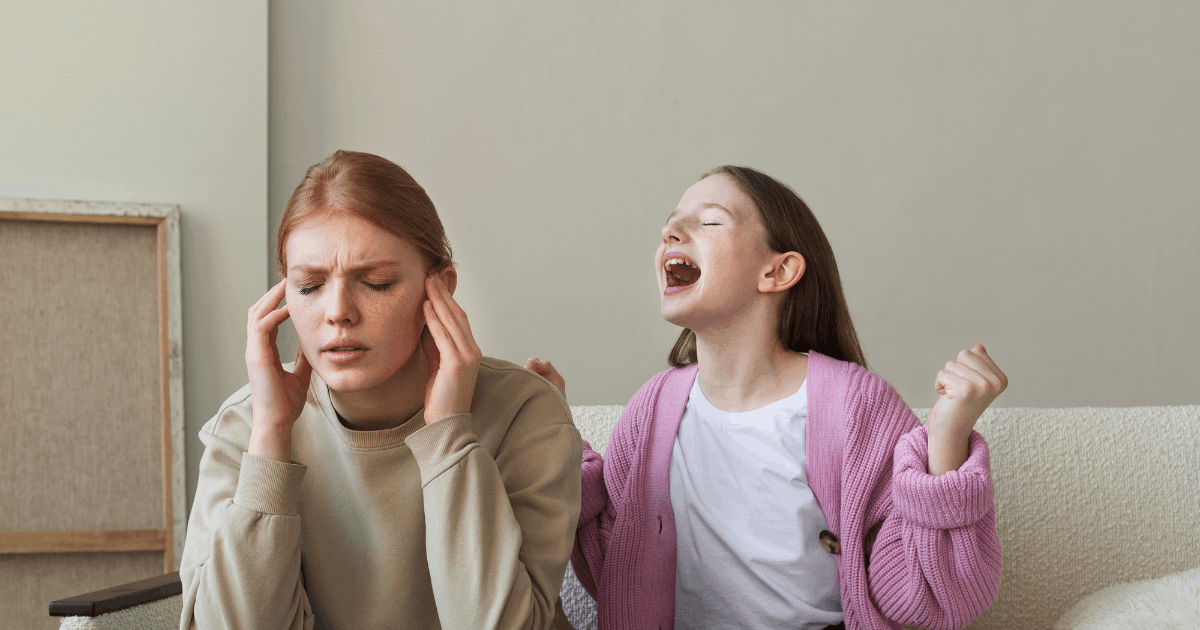
Social Anxiety vs Autism: A Clinical Differential Guide
Social Anxiety Editorial Team | socialanxiety.co | Clinically reviewed content
Summary: Distinguishing Social Anxiety from Autism
Social Anxiety vs Autism represents a critical differential between a fear-based anxiety disorder (DSM-5-TR 300.23) and a neurodevelopmental communication condition (DSM-5-TR 299.00). According to institutional guidelines, social anxiety manifests as evaluative dread despite intact social mechanics, whereas autism involves structural processing differences in social-emotional reciprocity. Clinical diagnosis must account for significant overlap and frequent diagnostic masking.
Introduction: Why the Differential Matters Clinically
The distinction between Social Anxiety Disorder and Autism Spectrum Disorder is among the most consequential differential diagnoses in adult clinical psychology — and among the most frequently missed. Both conditions produce social withdrawal, anxiety in social contexts, and avoidance behavior. Surface-level symptom similarity can mask fundamentally different underlying mechanisms that require entirely different treatment approaches.
Misidentifying ASD as primary SAD leads to repeated cycles of CBT and exposure therapy that produce minimal improvement — because inhibitory learning cannot modify a neurodevelopmental difference in social communication processing. Misidentifying masked ASD as primary anxiety leaves the individual with a framework that attributes their social difficulty to irrational fear, compounding shame and self-blame.
The clinical framework for this differential rests on one primary distinction: SAD is a fear of social evaluation; ASD is a difference in social information processing. The mechanisms diverge from there, though they frequently co-occur in the same individual.
Defining the Conditions: DSM-5-TR Criteria
Social Anxiety Disorder (DSM-5-TR 300.23) requires marked fear or anxiety about social situations where the individual may be scrutinized, combined with fear that they will be negatively evaluated, situations that almost always provoke anxiety, and clinically significant functional impairment lasting a minimum of six months. Crucially, social skills and social cognition are typically intact — the individual understands social norms and can read social cues. The anxiety is about performance and judgment, not processing.
Autism Spectrum Disorder (DSM-5-TR 299.00) requires persistent deficits in social communication and social interaction across multiple contexts — including difficulties with social-emotional reciprocity, nonverbal communication, and developing or maintaining relationships — plus restricted, repetitive patterns of behavior or interests, and symptoms present from early development [1]. The social difficulty in ASD is not fear-based; it involves genuine differences in how social information is processed, decoded, and generated.
The ICD-11 designation for ASD (6A02) similarly emphasizes persistent differences in social communication and reciprocity as core features, distinguishing it from anxiety-based social avoidance.
Is Social Anxiety Related to Autism?
Clinically and epidemiologically: yes, with significant comorbidity rates. Research indicates that approximately 40–50% of autistic adults meet diagnostic criteria for at least one anxiety disorder, with social anxiety disorder being among the most prevalent [2]. This is not coincidental — it is mechanistically explained.
Autistic individuals navigate a social world designed for neurotypical communication processing. Social environments that are effortlessly intuitive for neurotypical individuals — interpreting ambiguous facial expressions, tracking implied meaning, managing the sensory load of crowded spaces while maintaining conversation — require deliberate, resource-intensive cognitive processing for autistic individuals. Sustained exposure to these demands, often accompanied by a history of social misunderstandings, rejection, and negative feedback, produces the conditioned fear associations that constitute social anxiety disorder.
Sensory overlap is an additional complicating factor. Both ASD and SAD are associated with heightened sensitivity to social stimuli, but the mechanisms differ. In ASD, sensory sensitivities are structural — the nervous system processes sensory input differently, producing genuine physiological overwhelm in high-stimulation environments. In SAD, sensory hypervigilance is anxiety-driven — the threat-detection system amplifies attention to social stimuli as part of the threat response. These can co-occur, producing a combined sensory burden that is more severe than either condition alone.
The Core Distinction: Fear of Judgment vs. Difference in Processing
The clinical differentiating question is not “Do you find social situations difficult?” — both conditions produce social difficulty. The differentiating question is: What is the nature of the difficulty?
In SAD, the individual typically:
- Understands social norms and implicit communication rules
- Can accurately read facial expressions and tone of voice
- Desires social connection but fears negative evaluation
- Experiences anxiety as anticipatory and evaluative: “What will they think of me?”
- Shows anxiety that is situation-dependent and evaluation-linked
In ASD, the individual typically:
- Finds implicit social rules non-intuitive and must learn them explicitly
- May have difficulty reading subtle nonverbal cues, inferring intent, or tracking conversational flow
- May experience social situations as cognitively demanding regardless of evaluation threat
- Experiences social difficulty as processing difference: “I don’t know what’s expected here”
- Shows social difficulty that is pervasive and context-independent
This distinction is not always clean. An autistic individual who has developed secondary SAD presents with both: genuine processing differences and conditioned fear of evaluation generated by years of social failure experiences.
Social Masking: How Autism Produces Secondary Social Anxiety
Social masking — also termed social camouflaging — refers to the conscious or unconscious suppression of autistic traits and the adoption of neurotypical social behaviors. Clinical research has identified masking as a widespread coping strategy among autistic adults, particularly those who received late or no diagnosis [2][3].
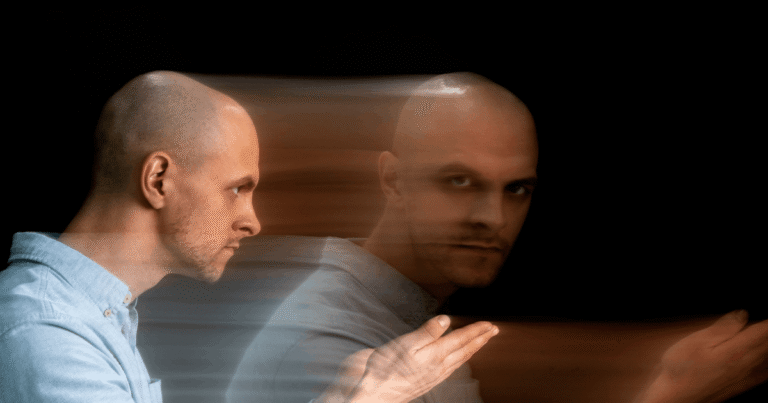
Masking involves: scripting conversations in advance, mirroring others’ expressions and body language, suppressing natural stimming behaviors, performing maintained eye contact that is not natural, and monitoring one’s own presentation in real-time for neurotypical compliance.
The clinical consequence is significant. Chronic masking is cognitively and physiologically demanding — it produces elevated cortisol, fatigue, and what is increasingly recognized as autistic burnout: a state of profound physical and mental exhaustion following sustained masking demands. The anxiety produced by masking is structurally identical in symptom profile to primary SAD: anticipatory anxiety before social situations, somatic symptoms during interactions, post-event rumination about performance, and progressive avoidance.
The critical difference lies in the cognitive content of the distress. Masked autistic individuals typically report anxiety not primarily about being judged for who they are, but about:
- The cognitive exhaustion of sustained performance
- Fear of the mask “slipping” and revealing their natural presentation
- Uncertainty about what the neurotypical performance requires in a novel context
- The cumulative inauthenticity of sustained self-suppression
Standard exposure therapy for SAD — which proceeds on the assumption that feared social outcomes will not occur — does not adequately address masked ASD. The feared outcome (social rejection for authentic autistic presentation) often has an empirical basis from lived experience, making straightforward cognitive restructuring insufficient and sometimes harmful.
Autism vs. Social Anxiety in Women
Diagnostic recognition of ASD in women is significantly lower than in men, with average diagnostic delay extending years beyond male counterparts. The primary explanation is differential masking: research consistently documents higher rates and quality of social camouflaging in autistic women compared to autistic men [2].
Autistic women are more likely to have developed sophisticated masking strategies through close observation of social peers, script-learning, and deliberate social performance. This high-quality masking can produce presentations that clinicians recognize as social anxiety disorder — with prominent anticipatory anxiety, self-monitoring, and post-event rumination — while the underlying neurodevelopmental profile is missed.
Clinical indicators that suggest ASD may underlie a presentation initially assessed as SAD in women include:
- Profound exhaustion following social interactions that extends beyond normal social fatigue
- History of intense, focused interests that others may describe as unusual in scope or intensity
- Long-standing sense of fundamental difference from peers that predates any specific anxiety symptoms
- Childhood history of needing to consciously observe and copy peers’ social behavior
- Sensory sensitivities that produce distress independent of evaluation threat
The LSAS can quantify anxiety severity in this population — socialanxiety.co/social-anxiety-test-liebowitz/ — but does not distinguish primary from secondary SAD, or identify underlying ASD. Elevated LSAS scores in women with treatment-resistant “social anxiety” warrant evaluation for ASD by a clinician with expertise in female autism presentations.
Am I Autistic or Just Socially Awkward?
The clinical distinction between ASD and social awkwardness — or more precisely, between ASD and primary SAD — is most clearly drawn along the axis of intent versus skill:
Intent intact, skill anxiously inhibited = more consistent with SAD. The individual wants to socialize, understands how to socialize, but fear prevents competent execution. If anxiety were removed, social performance would be expected to normalize.
Skill difference present regardless of anxiety level = more consistent with ASD. The individual may want to socialize but finds the mechanics of social communication non-intuitive even in low-anxiety contexts. Reading nonverbal cues, interpreting implied meaning, and navigating reciprocal conversation require deliberate effort that is not anxiety-dependent.
Additional differentiating questions:
- Does social difficulty persist in low-stakes contexts with trusted people, or only in evaluative situations? (ASD tends to be pervasive; SAD is more evaluation-linked)
- Are there sensory sensitivities that produce distress independent of social evaluation? (More characteristic of ASD)
- Was there a history of social communication difference before significant anxiety developed? (Establishes neurodevelopmental primacy)
- Do standardized tasks assessing social cognition — face recognition, inference of mental states, recognition of implied meaning — produce difficulty? (More characteristic of ASD than SAD)
Are Autism and Social Anxiety Neurobiologically Related?
Both conditions implicate amygdala function, though in different ways. Neuroimaging studies demonstrate that individuals with SAD show exaggerated amygdala activation to social threat cues — the threat detection system over-responds to social evaluation stimuli. In ASD, amygdala differences are more complex: some studies document atypical amygdala activation patterns to social stimuli including faces, potentially reflecting differences in the salience assigned to social information rather than threat hyperreactivity per se [1][2].
The overlap in amygdala involvement helps explain shared surface features — social avoidance, anxiety in social contexts, sensitivity to others’ reactions — while the different mechanisms of amygdala dysfunction explain why the conditions are clinically and therapeutically distinct.
Both conditions also show evidence of altered prefrontal-amygdala connectivity, though again with distinct patterns: SAD shows weakened top-down regulatory control over an over-reactive amygdala; ASD shows differences in connectivity patterns across the social brain network that affect social information processing more broadly.
Eye Contact: Fear vs. Sensory Difference
Gaze avoidance is present in both SAD and ASD but is mechanistically distinct — a distinction with significant clinical and therapeutic implications. Detailed clinical guidance on eye contact differences is available at socialanxiety.co/eye-contact/.
In SAD, gaze avoidance is anxiety-driven. Eye contact is avoided because it feels exposing — the individual fears that direct eye contact will reveal their anxiety or invite closer scrutiny. In controlled conditions where evaluation threat is removed, eye contact tends to normalize. The individual experiences eye contact as socially correct but threatening.
In ASD, gaze avoidance reflects either sensory overwhelm — direct eye contact produces a level of sensory intensity that is genuinely uncomfortable independent of social evaluation — or reduced social salience of eye regions, where the eyes do not automatically draw attention as high-information social stimuli. Autistic individuals often report that looking away during conversation actually improves their processing of what is being said. The avoidance is not fear-based; it is a processing accommodation.
Therapeutic implications differ accordingly: exposure-based treatment for SAD’s gaze avoidance can produce genuine reduction in anxiety and normalized eye contact. Directing autistic individuals to maintain neurotypical eye contact patterns may increase cognitive load and distress without therapeutic benefit — it targets a performance standard rather than a fear response.
Do I Have Autism or Am I Just Antisocial?
This conflation requires direct clarification. Antisocial personality disorder (DSM-5-TR 301.7) is a personality disorder defined by pervasive disregard for the rights of others, deceitfulness, impulsivity, and lack of remorse — it is not characterized by social avoidance or social communication difficulty.
Neither ASD nor SAD involves antisocial personality features. Both conditions involve individuals who typically either desire social connection (SAD, and many autistic individuals) or experience genuine social communication differences (ASD) that are not characterological choices.
For a full differential of avoidant social presentations across diagnostic categories, see socialanxiety.co/avoidant-personality-disorder-vs-social-anxiety/.
Social Anxiety, ASD, and Introversion: Three Distinct Profiles
Introversion is a personality dimension reflecting preference for lower-stimulation social environments and a tendency to restore energy through solitude. It is not anxiety-based and does not involve social communication differences. Introverts choose solitude for restoration; they do not fear social evaluation or find social communication non-intuitive.
SAD involves desire for social connection accompanied by disproportionate fear of evaluation. The individual would typically prefer to be socially engaged but is prevented by anxiety. Solitude is avoidance, not preference.
ASD involves genuine differences in social communication processing that make social interaction cognitively demanding regardless of anxiety level. Social preference varies across autistic individuals — some strongly desire connection; others find solitude genuinely preferable. Neither preference is pathological; both reflect neurodevelopmental differences in social processing.
ADHD, Rejection Sensitive Dysphoria, and Social Anxiety: The Third Overlap
ADHD presents a distinct comorbidity pattern with social anxiety. Executive function deficits — impulsivity, inattention, difficulty with working memory — produce observable social behaviors that generate negative social feedback over time: interrupting, appearing distracted, forgetting social commitments. This feedback history conditions fear responses that constitute secondary SAD.
Rejection Sensitive Dysphoria (RSD) — intense emotional reactivity to perceived rejection or criticism — is recognized as a feature of ADHD-associated emotional dysregulation. RSD creates social vulnerability that overlaps clinically with SAD: hypervigilance to signs of disapproval, anticipatory anxiety about social evaluation, and progressive social avoidance. The distinction lies in the breadth and intensity of the emotional response — RSD produces dysregulated emotional reactions that extend beyond the fear profile of primary SAD.
Clinical Assessment: The Differential Pathway
When comorbid or ambiguous presentations warrant diagnostic clarification, the clinical assessment pathway includes developmental history (early social communication, language development, restricted interests, sensory sensitivities), standardized neurodevelopmental screening (Autism Spectrum Quotient, Adult ADHD Self-Report Scale), and structured clinical interview examining cognitive content of social distress, response to previous anxiety treatments, and functional profile across contexts.
A high LSAS score establishes anxiety severity and guides treatment intensity but does not distinguish primary from secondary SAD, nor does it identify ASD: socialanxiety.co/social-anxiety-test-liebowitz/. Formal ASD assessment requires clinical evaluation by a practitioner with specialist neurodevelopmental expertise.
FAQ
Am I autistic or just socially awkward?
Determining the presence of Social Anxiety vs. Autism depends on the nature of the difficulty; social awkwardness in SAD stems from an acute fear of judgment, while autism is defined by context-independent processing differences in nonverbal cues and reciprocity regardless of the presence of anxiety.
Do I have autism or am I just antisocial?
Clinical assessment of Social Anxiety vs. Autism excludes antisocial personality traits, as neither SAD nor ASD involves a pervasive disregard for the rights of others, focusing instead on involuntary evaluative dread or structural neurodevelopmental differences in social communication.
Is it possible to have both social anxiety and autism?
The intersection of Social Anxiety vs. Autism is clinically common, with research indicating that up to 50% of autistic adults meet the diagnostic criteria for SAD due to the historical cumulative trauma of social misunderstandings and the stress of social camouflaging.
Clinical References
[1] American Psychiatric Association. Diagnostic and Statistical Manual of Mental Disorders (DSM-5-TR). 5th ed., text revision. APA Publishing; 2022.
[2] Hull L, Mandy W, Petrides KV. Behavioural and cognitive sex/gender differences in autism spectrum condition and typically developing males and females. Autism. 2017;21(6):706–727. https://doi.org/10.1177/1362361316679112
[3] National Autistic Society. Social camouflaging: research and clinical practice. https://www.autism.org.uk/advice-and-guidance/professional-practice/camouflaging
[4] Spain D, Happé F. How to optimise cognitive behaviour therapy (CBT) for people with autism spectrum disorders (ASD). Journal of Rational-Emotive & Cognitive-Behavior Therapy. 2020;38:184–208.
Social Anxiety Editorial Team | socialanxiety.co This content is educational and does not constitute a diagnostic determination. Differential diagnosis of SAD, ASD, and ADHD requires formal evaluation by a licensed clinician with expertise in neurodevelopmental conditions. If you are uncertain about your diagnosis, seek specialist assessment rather than relying on symptom checklists alone.